
Then he sat down opposite the offering box, and watched the crowd putting coins into it. Many rich people were throwing in large amounts. And a poor widow came and put in two small copper coins, worth less than a penny. He called his disciples and said to them, “I tell you the truth, this poor widow has put more into the offering box than all the others. For they all gave out of their wealth. But she, out of her poverty, put in what she had to live on, everything she had.”
Mark 12:41-44 NET
In Madagascar the Ariary is the unit of money that is commonly used. When we were there in 2016, we found that credit cards were rare and seldom accepted. So practically all buying and selling was done using paper money, Ariary only. The largest bill in circulation was 10,000 Ariary, worth roughly $3 US. The smallest bill is the 100 Ariary bill. It was worth about 3ȼ US, so it bought very little, but was common in the produce market when buying small amounts of common vegetables.
There were essentially no coins. All of the various bills used in the market very quickly became extremely soiled and worn. At times I received bills that were so dirty, I could not tell whether it was a 100 Ariary or a 500 Ariary bill. Yet this currency was the life blood of the cash crop farmer. Those who had more money could shop in the more expensive stores, like super-markets. Typically, when they gave change there, the bills were clean and new.
Madagascar still had a cash-based economy. And the majority of its citizens were very poor in cash and tended to lead a hand-to-mouth existence. During years of drought or flood many people were forced to starve. Many of these people were sincere, born-again Christians. They valued the opportunity to return to the Lord a fraction of what they had earned. This was often done at a real sacrifice. Since all they had were the dirty bills, that was the only offering they could make.
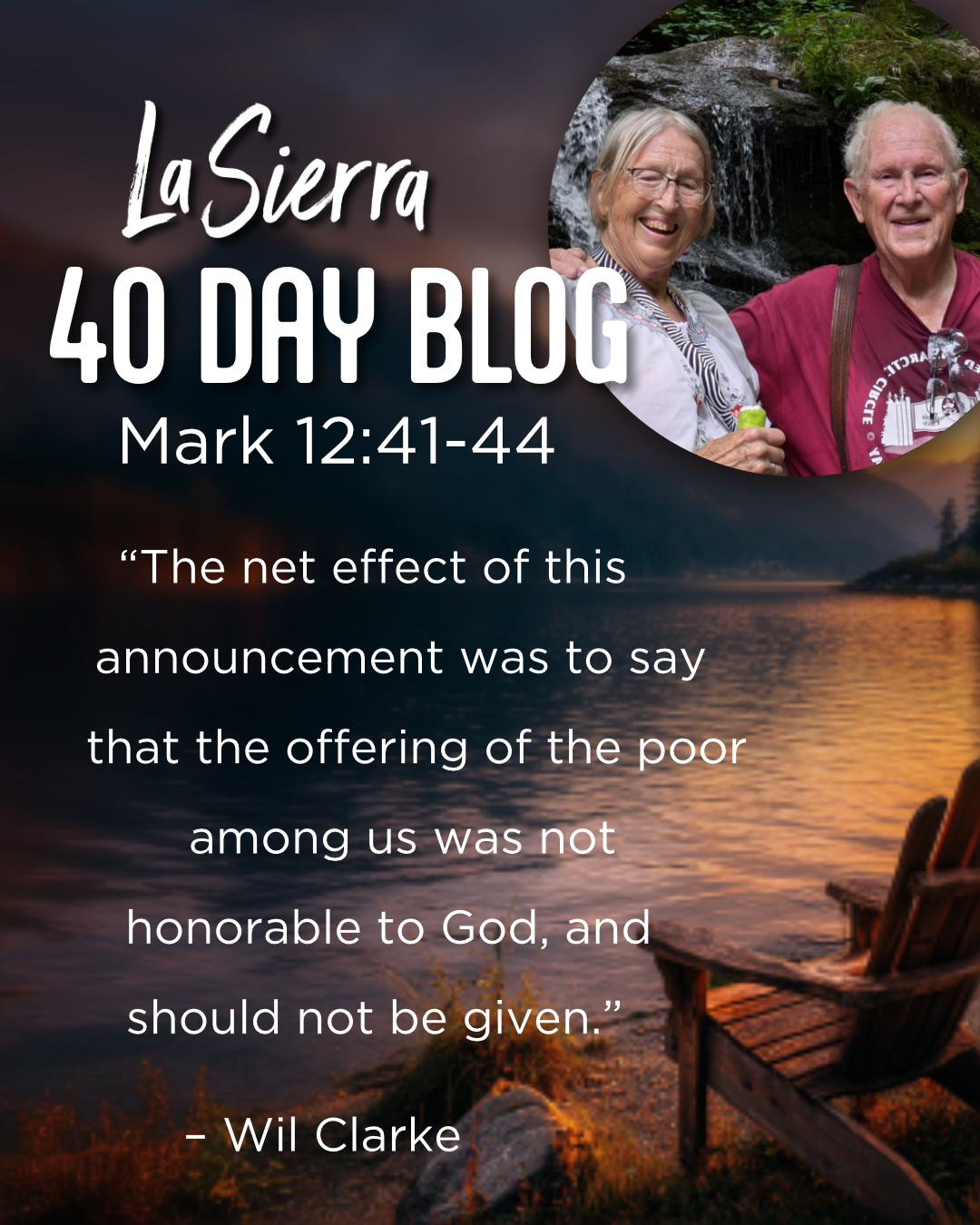
While we were there the church treasurer in one church had an announcement made stating that members should not bring old dirty bills for offering but should instead bring only clean new bills. The announcement went on to say that God is dishonored when we bring old dirty money. The net effect of this announcement was to say that the offering of the poor among us was not honorable to God, and should not be given. The real motive behind this announcement appeared to me to be that the clean, delicate church treasurer did not want to spoil her spotless, well-manicured hands by handling dirty money.
This announcement stunned me, it shocked me. Obviously, the poorer members would have dirtier money, because they did all their shopping in the markets. In my view, this announcement disenfranchised the poor. I confess that the more I have thought about this action, the more ashamed I have felt for those who despise the poor.
Lord, help me to love the poor among us just as You love them.
Wil Clarke, and his wife, Sylvia, volunteered teaching English at Zurcher Adventist University in Madagascar for three months in 2015-2016.